

The person of the Holy Spirit
It is not difficult to form a conception of God the Father or of the Lord Jesus Christ, but some have confessed to an inability to form a clear conception of the Holy Spirit. The reason is twofold:
First: Throughout the Scripture, the Spirit’s operations are invisible, secret, and internal.
Second: The Holy Spirit never speaks of Himself or represents Himself; He always comes in the name of and represents another. He is hidden behind the Lord. Jesus Christ, and in the depths of our inner man, He never calls attention to Himself but to the will of God and the saving work of Christ.
“He shall not speak of himself.” John 16:13.
The Holy Spirit is a personality separate and distinct from God. It is God’s gift to men to receive the Holy Spirit, which proceeds from God. In spite of this, God’s Spirit cannot be separated from Him. He always represents the one God acting in the spheres of thought, will, and activity. How the Holy Spirit of God can be one with God and yet distinct from God is part of the mystery of the Trinity.
He is Active in the Universe – Creator Spirit
Genesis 1:1, 2; Psalm 33:6–9 The Bible associated the Spirit of God with this created universe, right from the very beginning. The precise function of the Spirit, however, is not clear. The verb translated ‘was moving’ is not a common one, but it occurs again in Deut.32:11 The use of a term associated with a bird’s care for its young introduces a note of tenderness and concern to the Holy Spirit. The Spirit of God was present in Genesis during creation. God identified this Spirit as “My Spirit”. (Gen 6:3). The reality of the Spirit of God extends throughout the Old Testament, although His visible work among the Israelites seems somewhat limited compared to that of the New Testament. In the Old Testament, the Spirit “came upon” judges and warriors to enable them to perform extraordinary tasks that furthered God’s will on earth (Jdg. 11:29). The Spirit bestowed skill and wisdom upon man. (Exodus 31:2-4.)
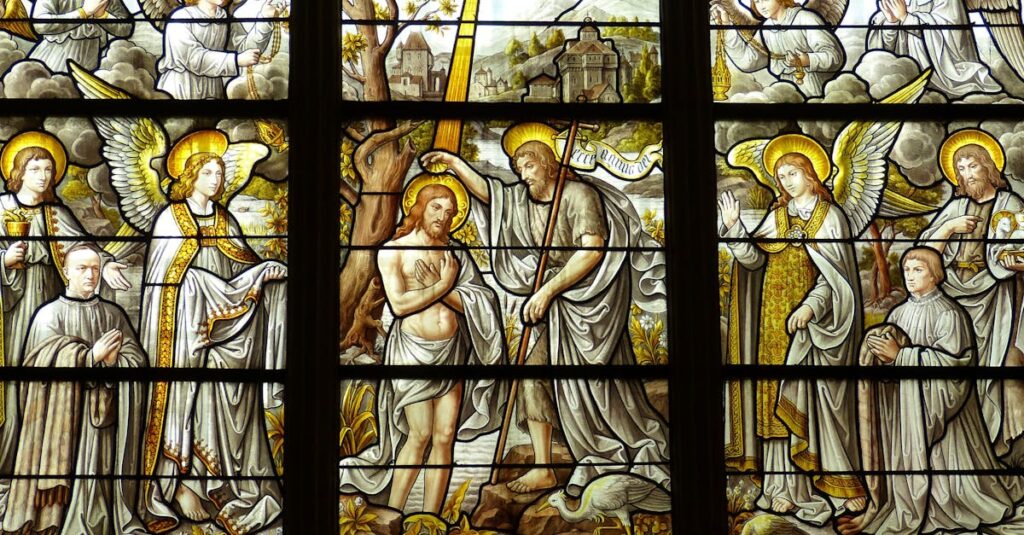
Aside from speaking directly to mankind through the prophets of God, God also spoke to us through his servants, the priests and kings of the Old Testament. In the New Testament, we see the Holy Spirit descending on the Virgin Mary at the conception of Jesus; we also see it descending on Jesus during his water baptism.
In Luke, Jesus announces that the Spirit has descended upon him to preach, set prisoners free, give sight to the blind, set the oppressed free, and proclaim the year of the Lord’s grace. And, of course, we have the mighty outpouring of the Holy Spirit at Pentecost in Acts 2. Today, the Holy Spirit continues to be the agent through which we believers are baptized into the body of Christ. 1 Corinthians 12:13 The Holy Spirit within becomes the purifying agent of every believer, convicting us of our sin.
It is also the agent through which believers can enter into greater power and truth. (Lk 24:49; Acts 1:8; Eph 3:16.) God’s relationship to both His Son and His Spirit is absolutely different and unique. The Spirit of the Lord was a very important figure in Biblical history. The book Judges explains that the Great Leaders’ deeds were possible because they were under the Lord’s Spirit (3:10; 6:34; 11:29; 13:25; 14:6, 19; 15:14).
For an in-depth exploration of the biblical trinity and related theological concepts, consider picking up a copy of “Fallen Faith.” The book delves into these complex topics, offering new insights and perspectives.
Ready to explore the depths of biblical theology? Click here to purchase “Fallen Faith” and continue your journey of discovery today!

Fallen Faith Paperback
Have you ever wondered about the impact of ancient religious beliefs on modern society? “Fallen Faith: Revisiting the Impact of the Apostles Creed on Modern Society” delves into the relevance of the Apostles Creed in today’s world.
