
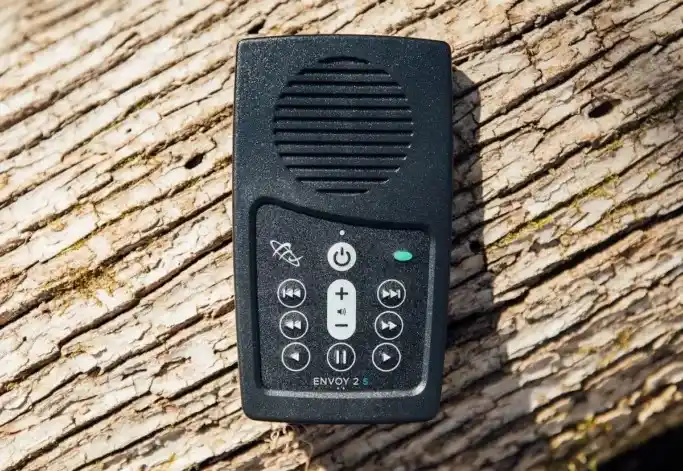
The Gift of Hearing: How an Audio Bible for Visually Impaired Believers Changes Everything
For many of us, the spiritual journey is paved with well-worn pages, highlighted verses, and the quiet rustle of paper during a morning devotion. We often take for granted the ability to simply open a book and reconnect with our faith. However, for millions of people worldwide, the written word is a locked door. Whether due to visual impairment, age-related sight loss, or a lack of literacy, the inability to read the Bible can create a profound sense of spiritual isolation. When the “lamp unto my feet” is a book I cannot see, how do I find my way?
The challenge is more than just a logistical hurdle; it is a matter of the heart. For a believer who has spent a lifetime loving the Word, losing the ability to read it can feel like losing a primary connection to God. Similarly, in communities where oral tradition outweighs literacy, the beauty of the Gospel can remain distant if it is only presented in print. The goal of any ministry or compassionate friend is to bridge this gap, ensuring that the Light of the World remains accessible even when physical sight fails. By shifting our focus from the written page to the spoken word, we can bring the light of the Gospel into the darkness of isolation.
Understanding the Barrier: Beyond Physical Sight
When we talk about accessibility in a religious context, we often think of ramps or elevators. But spiritual accessibility is just as vital. For those living with blindness or severe visual impairment, the traditional Bible is inaccessible. While Braille Bibles exist, they are often massive—spanning dozens of thick volumes—and expensive to produce. Furthermore, many people who lose their sight later in life never have the opportunity to learn Braille.
Illiteracy presents a similar barrier. In many parts of the world, and even in pockets of developed nations, reading levels can prevent a person from engaging with complex scriptural texts. This “information poverty” shouldn’t translate to “spiritual poverty.” The Gospel was originally an oral message, passed from person to person through storytelling and preaching. Returning to an auditory focus isn’t just a workaround; it’s a return to the roots of how the Word was shared.
Why Audio is the Key to Inclusivity
The human voice carries emotion, inflection, and authority in a way that static text cannot. For a visually impaired individual, an audio format provides several unique benefits:
- Independence: It allows the individual to engage with Scripture privately, without needing a sighted person to read to them.
- Immersion: Listeners often report that hearing the Word allows them to “place themselves” in the stories of the New Testament, making the parables feel more like lived experiences.
- Consistency: Audio allows for a daily rhythm of prayer and meditation that isn’t dependent on external circumstances or the availability of a caregiver.
Bridging the Gap in Rural and Remote Areas
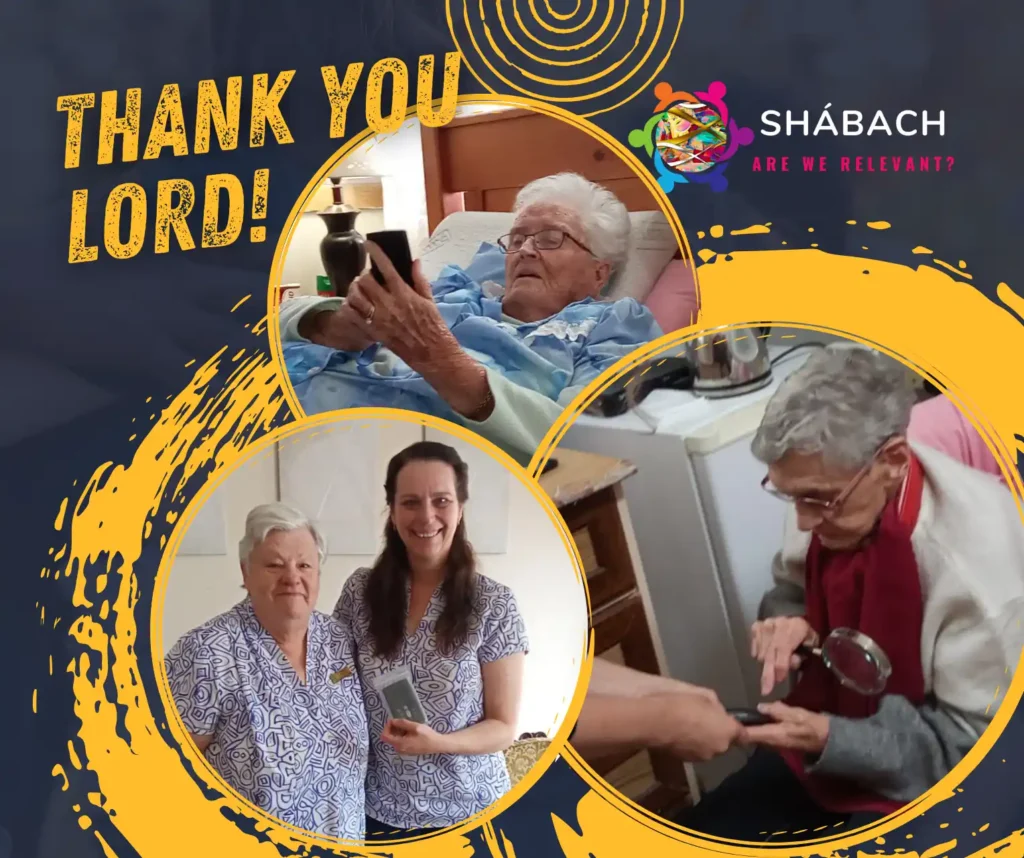
In many regions, electricity is not a guarantee. This is where modern technology has had to get creative. A device that requires constant charging from a wall outlet isn’t helpful in a remote village or during prolonged power outages. This is why solar-powered solutions have become a gold standard for accessibility.
Tools like the Megavoice Bible are designed specifically for these environments. By utilizing a built-in solar panel, these devices ensure that the Gospel is never “turned off” due to a lack of infrastructure. It’s a practical manifestation of the idea that God’s Word is self-sustaining and always available.
Strategies for Supporting Visually Impaired Believers
If you are a ministry leader, a family member, or a friend looking to support someone who cannot read the Bible, consider these practical steps:
1. Foster an “Orality” Culture
Don’t just hand someone a device; engage in discussion. Ask what they heard in their daily listening. By making the Word a topic of conversation, you reinforce the lessons they are hearing and provide the social connection that many visually impaired individuals crave.
2. Choose the Right Technology
When selecting an audio Bible for the visually impaired, look for devices with tactile buttons. Touch is the primary way these users interact with the world. Buttons that are shaped differently (for example, a raised plus sign for volume or a distinct triangle for play) make a world of difference compared to a flat touchscreen.
3. Focus on “Solar-First” Design
As mentioned, power is often a barrier. A solar-powered audio Bible ensures that even in the most “off-the-grid” scenarios, the light of the Gospel continues to shine. This is particularly important for mission work in areas with developing infrastructure.
Bringing Light into the Darkness
The phrase “bringing light into the darkness” is often used metaphorically in the Church, but for the visually impaired, it is a daily reality. The “darkness” isn’t just the lack of sight; it is the feeling of being left behind by a world—and a church—that communicates primarily through print.
When we provide an audio solution, we are doing more than giving someone a gadget. We are telling them that their soul matters, that their spiritual growth is a priority, and that God speaks their language. Whether it is a grandmother in a rural village or a student in a bustling city, the moment they press ‘play’ and hear the words, “In the beginning…” their world expands.
Psalm 119:105 – “Your word is a lamp to my feet and a light to my path.”
Isaiah 42:16 – “I will lead the blind by a way they did not know; I will guide them on paths they have not known. I will turn darkness into light before them and rough places into level ground.”
The Role of Megavoice in Global Ministry
In the quest to make the Bible accessible to all, the MegaVoice Bible has become a vital tool. These aren’t just MP3 players; they are rugged, heat-resistant, and incredibly simple to use. Because they are pre-loaded with Scripture, there is no need for complicated internet setups or data plans.
For someone who is illiterate or blind, the simplicity is the selling point. There are no menus to navigate or passwords to remember. It is a direct line to the Word of God. You can learn more about how these devices are being used in various languages and contexts by visiting their resource page.
Creating a More Accessible Church Environment
Beyond providing personal devices, churches can take systemic steps to be more inclusive:
- Auditory Signage: Use clear, spoken announcements for events rather than just relying on the weekly printed bulletin.
- Audio Libraries: Create a lending library of audio Bibles for members who are transitioning into vision loss.
- Sensitivity Training: Teach greeters and small group leaders how to effectively welcome and include those who cannot read along during a service.
By integrating these strategies, we move closer to a universal design for worship—where the only requirement for entry is a heart willing to listen.
Conclusion: A Mission of Sound and Spirit
The mission to make the Bible accessible to every person on Earth is not finished until the last person has the opportunity to hear the Good News in a format they can understand. For those facing the challenges of visual impairment or illiteracy, the spoken word is not just a convenience—it is a lifeline. By utilising specialised technology like a solar-powered audio Bible, we can bypass the barriers of broken eyes and lack of education to reach the heart directly.
As we look to the future of ministry, let us remember that the Gospel is meant to be heard. When we equip the “least of these” with the tools to listen, we aren’t just solving a problem; we are fulfilling a mandate to bring light to every corner of the world. No one should be left in the dark when the Word of God is so ready to be heard.
Psalm 146:8 – “The Lord opens the eyes of the blind; The Lord raises those who are bowed down; The Lord loves the righteous.”
Would you like to learn more about how to get these tools into the hands of those who need them most? Explore the various audio Bible options available today and help us bridge the gap between the Word and the world.
You can explore the Are We Relevant? or Fallen Faith audiobooks and start your journey toward a deeper, more consistent spiritual life today.

Are we still relevant? Audiobook
“Are We Still Relevant?” offers a fresh and thought-provoking view on Christianity’s place in contemporary society. Through a mix of personal stories and biblical wisdom, the book explores the crucial question of the church’s relevance today.
